COMMERCIAL | elevating environments, advancing fitness goals

FITNESS

INTRODUCTION

Fitness centers must incorporate specialized equipment seamlessly, ensure spatial layouts that prioritize safety and functionality, and use durable flooring to handle intense activity. Proper air circulation, soundproofing, and acoustics are essential for creating a comfortable atmosphere. Moreover, with fitness trends evolving rapidly, facilities need to be flexible to adapt to future demands. Balancing these requirements while staying within budget and meeting tight deadlines adds another layer of

OUR SERVICES

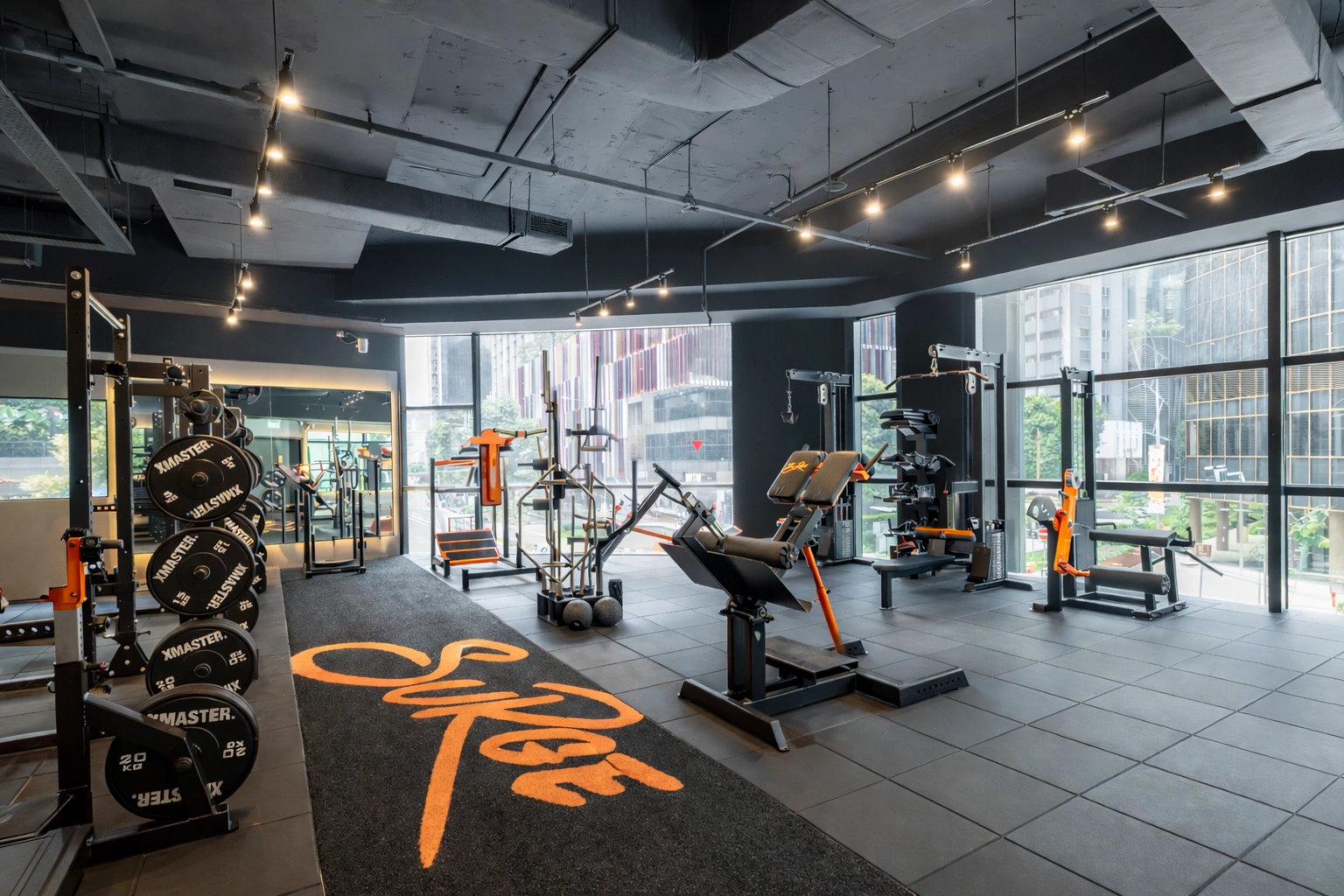
Having more than a decade of experience in the fitness industry. We specialize in creating innovative, functional fitness environments that inspire people to stay active and healthy. Whether designing a gym, yoga studio, pilates space, or boutique fitness center, our approach combines aesthetics with performance, ensuring each space meets the specific needs of the fitness industry. From high-end fitness facilities to compact workout areas, we balance design and usability to deliver spaces that enhance user experience and operational efficiency.

Our comprehensive approach ensures functional, inspiring environments with seamless integration of technology and efficient project management. We also provide ongoing support to keep your facility in excellent condition.

There are many styles and layouts of fitness centers, and each one is made to fit the wants and functions of its users. Here are some common types:

• Commercial Gyms: Large facilities with lots of various kinds of exercise equipment and things for general health and large groups.

• Yoga Studios: These are places limited to practicing yoga. They usually have calm settings and special floors.

• Pilates Studios: These are places with mats and reformers that are set up just for Pilates movements.

• Spin Studios: These are high-energy rooms with stationary bikes and multimedia systems set up for spin lessons.

• Corporate Wellness Centres: These are fitness centers that are built into offices to help workers stay healthy and be more productive.

• Functional Training Centres: These are places that are set up for CrossFit, high-intensity interval training (HIIT), and functional movement routines.

• Luxury Fitness Clubs: High-end places with special features, high-end amenities, and modern equipment.

SERVICE PROCESSES

Initial Consultation and Needs Assessment 01

Client Meetings: Have in-depth conversations with clients to learn about their objectives, vision, and particular needs for the fitness facility. Site Evaluation: Carefully look over the site to see what its limitations are, what its system is like, and where it can be improved.

Design Development 02

Space Planning: Make detailed plans that make the best use of the space you have while accommodating a range of exercise areas, tools, and amenities. Concept Design: Use mood boards and 3D renderings to make rough design concepts of the area and get feedback from customers. Revisions and Finalization: Finalize layouts and aesthetics after refining designs in response to feedback from clients.

Engineering and Technical Planning 03

MEP Coordination: Ensure that the mechanical, electrical, and plumbing systems are linked to satisfy the needs of the fitness center. Technology Integration: Utilize modern workout equipment and technology including digital solutions, lighting, and sound systems.

Budgeting and Scheduling 04

Cost Estimation: An estimate of how much the whole project will cost is given. This includes the cost of labour, materials, and any other costs that might come up. Project Timeline: To make sure the project is finished on time, we make a detailed project timeline with clear defined goals.

Building and Setting Up 05

Project management: Managed every aspect of construction to ensure that design standards, budget, and schedule were followed.  On-Site Execution: Supervised on-site execution of construction-related duties including site preparation, equipment installation, and last touches. Quality Control: To make sure all of your work meets the top standards, put in place strict quality control measures.

Quality Assurance and Handover 06

Inspection and Testing: Do detailed checks and tests of all installations and systems to make sure they are working proper. Client Walkthrough: Perform a last tour with the client to examine the completed area and address any last concerns.

Post-Completion Support 07

Documentation: Provide complete documentation including as-built drawings, warranty information, and maintenance guides. Continued Assistance: Post-completion support is given for any changes, maintenance, or future upgrades.

Input and Persistent Improvement 08

Client Criticism : We seek feedback from our clients in order to understand their experiences and identify areas that require improvement. This has an impact on how we continuously improve our administrations and forms.
FREQUENTLY
ASKED QUESTIONS

What is the process for starting a fitness design and build project?

The process begins with an initial consultation to discuss your goals and vision. We then conduct a site evaluation, followed by design development, budgeting, scheduling, construction, and final handover.

How do you determine the best layout for our fitness facility?

We analyze your space requirements, user needs, and equipment types to create an efficient layout. Our designs focus on optimizing flow, functionality, and user experience.

What are some of the most common problems that come up when designing fitness centers, and how do you solve them?

Common problems include making the best use of space for different purposes, placing equipment correctly, and controlling sounds. To deal with these issues, we carefully plan, use professional design methods, and take client feedback into account.

    Have a project in mind?