COMMERCIAL | creating innovative spaces for modern education

EDUCATION

INTRODUCTION

The education sector brings its own set of hurdles. Adhering to the stringent regulations and guidelines set by the Ministry of Education (MOE) and the Early Childhood Development Agency (ECDA) in Singapore is crucial. These standards encompass safety, accessibility, and educational effectiveness, and must be meticulously followed. Additionally, accommodating evolving educational technologies and future-proofing spaces for changing educational needs requires flexibility and foresight. Balancing these requirements while managing budget constraints and minimizing disruptions to ongoing school activities adds complexity to the project.

OUR SERVICES

Our Services

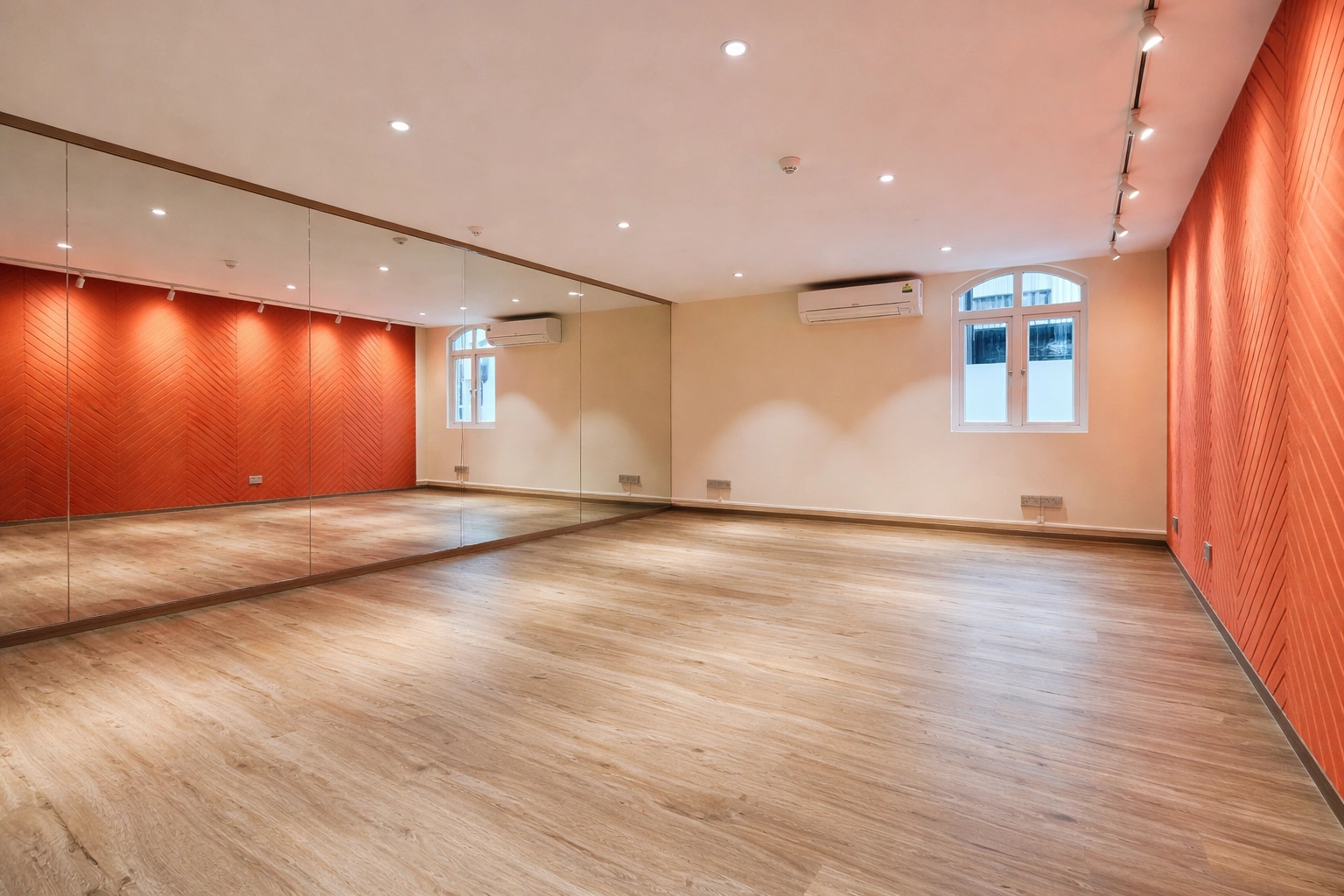
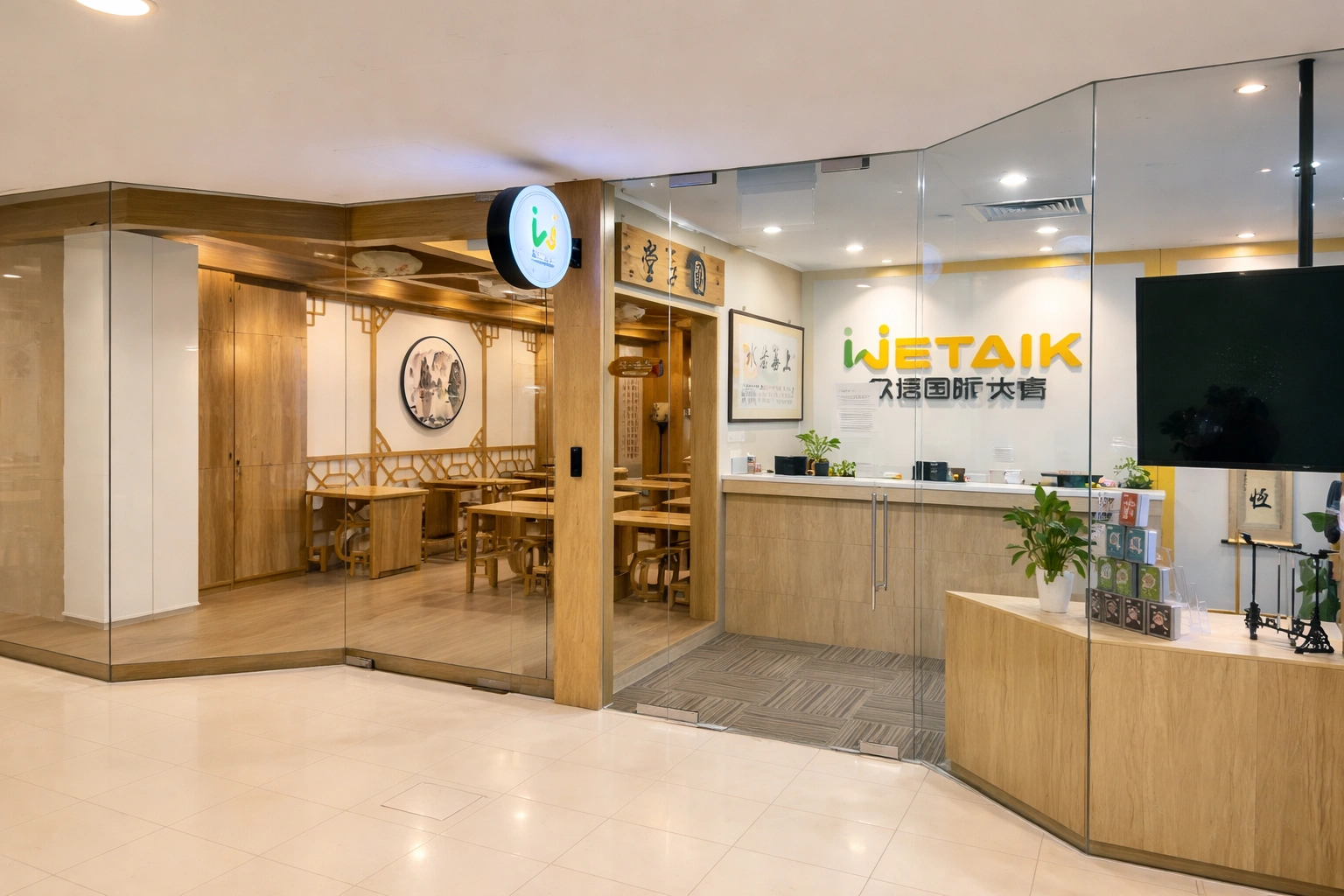
We make learning spaces that are new, useful, and supportive for both students and teachers. Our method makes sure that all school structures, like laboratories, classrooms, libraries, and play areas, are made in a way that improves learning and creates a good environment for learning. We combine modern design with school needs to make spaces that are both inspiring and useful.

Different layouts in educational centers allow each one to be effective for a different type of learning. Here are some typical types:

Classrooms:

These sites are designed for traditional teaching and learning. Simple classrooms to flexible, multipurpose areas supporting group and interactive learning.

• Administrative Offices:

Admin offices are designed to be more productive and collaborative. These are principal and teachers’ offices, meeting or conference rooms, and staff areas.

• Specialized Learning Centers:

These centers are designated to some specific programs or disciplines that are designed with particular equipment and layouts, such as art studios, music rooms, and vocational training centers.

• Early Childhood Education Centers:

These centers are made for younger kids and have classrooms, play areas, and sensory rooms that are safe and designed to meet their needs as they grow.

• Community Education Centers:

Places providing community-based educational events and seminars. These could be used for conference rooms, classrooms, and multipurpose spaces.

• Technical and Vocational Training Centers:

These educational centers are focused on practical learning and developing skills, which include workshops, simulation laboratories, and specialized equipment for trade and technical education.

SERVICE PROCESSES

Initial Consultation and Requirements Gathering 01

We start by having a full consultation to learn about your goals and needs for the educational facility. Talking about educational goals, space needs, and specific needs for classrooms, labs, libraries, and play areas is part of this.

Site Analysis and Feasibility Study 02

Our team does a full site analysis to look at the current conditions and limitations. This includes looking at the site's infrastructure, how traffic flows, and what kind of structure is needed. A feasibility study is done to make sure that the proposed design is possible and fits within the limits of the budget and the rules.

Conceptual Design and Planning 03

We come up with ideas for designs and layouts that are specific to your needs. During this phase, design mockups are made, materials are chosen, and spaces for educational activities are planned. We make sure that the design supports good teaching and learning environments and also fits your style.

Regulatory Compliance and Approvals 04

Making sure that rules are followed is very important. To make sure we meet all the standards, we work closely with the Singapore Civil Defence Force (SCDF), the Early Childhood Development Agency (ECDA), and the Ministry of Education (MOE). This includes getting the necessary permits and making sure the design meets the needs of safety, accessibility, and education.

Detailed Design and Engineering 05

We move on to detailed design and engineering once the conceptual designs are approved. As well as finalizing the layout, this means making technical plans for the building's mechanical, electrical, and plumbing systems. We make sure that all of the parts follow the rules set by MOE, ECDA, and SCDF.

Construction Planning and Scheduling 06

We make a detailed construction plan that shows when things will be done, what resources will be used, and how long the project will take. This plan includes hiring and managing contractors, organizing materials, and planning construction work so that it does not get in the way of school operations too much.

Construction and Implementation 07

During the construction stage, our project management team keeps an eye on the work to make sure it stays on schedule and meets quality standards. Inspections of the site are done on a regular basis to make sure that any problems are handled quickly and that the design specifications and government rules are being followed.

Interior Fit-Out and Finishing 08

After the primary structure is done, we focus on fitting out and finishing the inside. This includes putting in the finishing touches and putting in the furniture, fixtures, and equipment. We make sure that all of the parts fit together perfectly and meet both the functional and aesthetic needs.

Final Inspection and Handover 09

We do a final check to make sure the building meets all the design requirements and all the rules set by MOE, ECDA, and SCDF. Any last changes are made to the project before it is officially turned over.

Post-Completion Support 10

After the project is done, we will still be there to help with maintenance, warranty issues, and any other problems that come up. We want to make sure that the school building works well and smoothly from the moment it opens.

FREQUENTLY
ASKED QUESTIONS

What steps do you take to make sure the design meets the needs of teachers and students?

First, we have an in-depth conversation to find out exactly what the students, teachers, and administrators need. As part of our design process, we ask stakeholders for feedback on the space to make sure it works well for teaching, learning, and the operation of the school.

How do you make sure that educational designs are safe and easy for everyone to use?

Fire safety rules, emergency exits, ADA compliance, and keeping entry points safe are just a few of the strict safety and accessibility standards that our designs have to follow. We make sure that all areas can be reached by people with disabilities and that everyone can learn in a safe place.

What are the most difficult parts of designing classrooms, and how do you deal with them?

Challenges include making room for new technologies in education, meeting strict government rules, and designing spaces that can change to meet new needs. To deal with these problems, we carefully plan, come up with new design solutions, and work closely with everyone involved.

    Have a project in mind?