COMMERCIAL | seamless reinstatement for retail, office, and industrial spaces

REINSTATEMENT

INTRODUCTION

One of the most difficult aspects of commercial reinstatement is working together with building management and landlords to get things done. This means following their rules and requirements, which can be very different between properties and types of spaces. Additionally, reinstatement projects must be completed within tight timelines to prevent disruptions to other tenants and to avoid penalty fees.

OUR SERVICES

Our Services

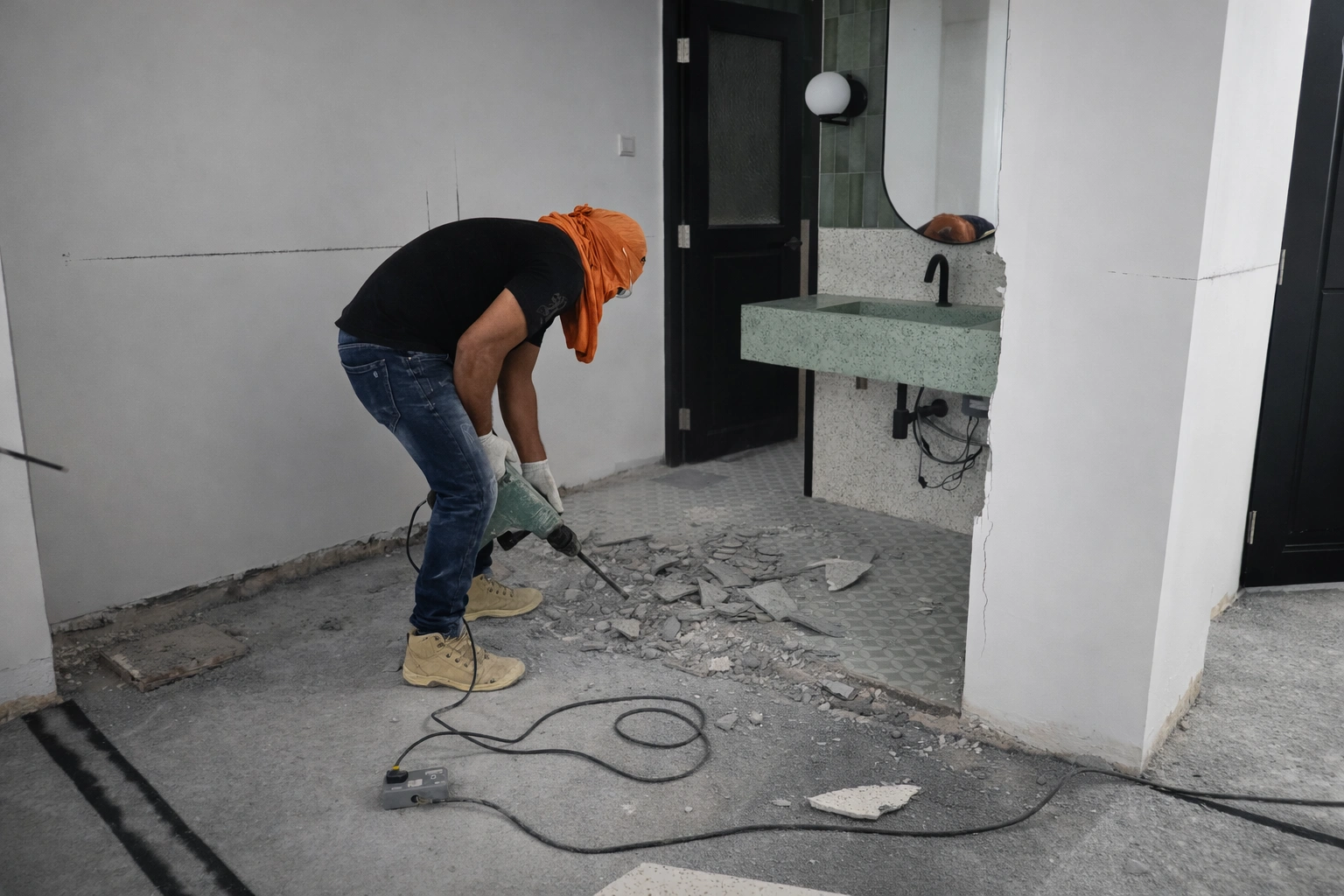
The process of reinstatement involves detailed planning and carrying out steps to fix any damage or changes that were made. In retail spaces, this could mean removing custom fixtures and fixing up the floors and walls. When it comes to offices, reinstatement usually means taking down walls, moving furniture, and fixing up common areas to how they were before. When a factory is put back into use, it may be necessary to remove any industrial equipment and make sure the space meets certain safety and operational standards.

Commercial reinstatement projects in Singapore include a wide range of property types and needs. Most people have these types:

• Retail Space Reinstatement

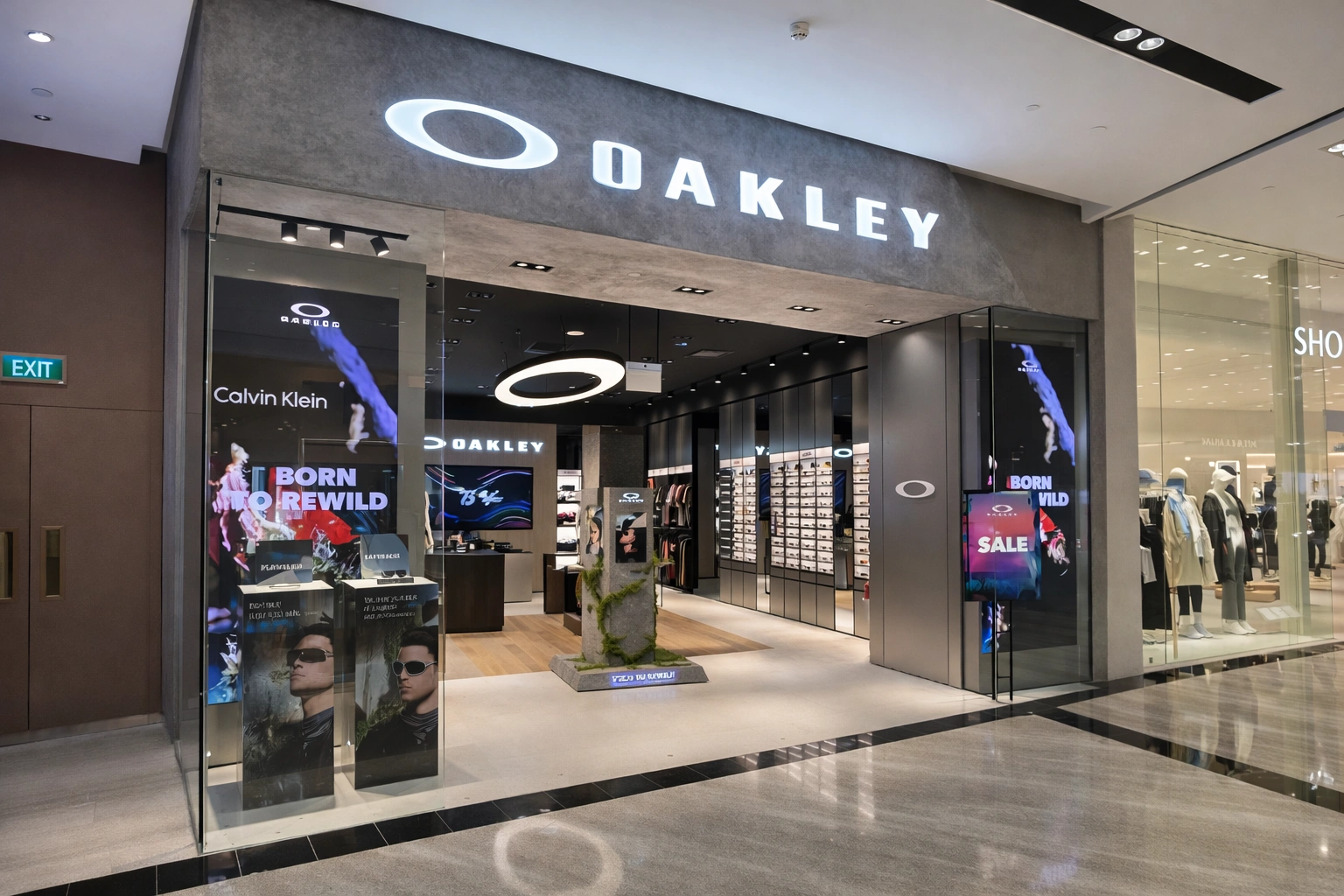
– Description: – Putting stores back to how they were before a tenant leaves is part of the duties. This means taking down any signs, fittings, or fixtures that were customized and fixing any changes that were made while the rental period was going on.

– Challenges: Taking down branded installations while causing as little trouble as possible for nearby stores and meeting tight deadlines to get the space ready for a new tenant.

• Office Reinstatement

– Description: Focuses on taking down office walls, moving furniture, and putting common areas like lobbies and meeting rooms back the way they were before. Usually, this is needed when a business moves or leaves its location.

– Challenges: Working with building management to make sure office layout rules are followed, managing the logistics of moving a lot of furniture and equipment, and making sure the space is returned to a professional and usable state.

• Factory Reinstatement

– Description: Removes industrial equipment, fixes up structural parts, and makes sure the space meets safety and operational standards. This is often needed when a manufacturing tenant leaves or changes what they do.

– Challenges: The challenges are getting rid of specialized equipment, following safety rules, and fixing up industrial spaces while keeping up with possible interruptions to ongoing operations.

• Restaurant/Café Reinstatement

– Description: This includes taking out the kitchen appliances, dining room furniture, and any custom installations that the previous tenants made. The goal is to make the space look and work like it appeared when it was first built.

– Challenges: The most challenging aspects are getting out the special kitchen tools, following health and safety rules, and dealing with the complexities of food service environments.

SERVICE PROCESSES

Initial Consultation and Requirements Gathering 01

We start by having a detailed consultation to find out your objectives, operational needs, and vision for the food and beverage industry. This includes talking about what the menu needs to have, how you want it to look, and how you want the customer to feel. We also talk about some requirements that have to do with layout, equipment, and following the rules.

Site Analysis and Feasibility Study 02

A complete site analysis is done to look at existing conditions and find any problems. As part of this, the location is checked for utility needs, traffic flow, and building requirements. We do a feasibility study to make sure that the design we are thinking of is possible, cost-effective, and follows all the rules.
Conceptual Design and Planning 03

Our design team develops conceptual plans and layouts based on the site analysis and requirements. During this phase, detailed design mockups are made, materials are chosen, and plans for furniture and equipment are made. We make sure that the design meets both the goals of aesthetic appeal and good operation.

Regulatory Compliance and Approvals 04

We know how to navigate the regulatory landscape and make sure that the design meets all of the Singapore Food Agency's (SFA) and the Singapore Civil Defence Force's (SCDF) requirements. To accomplish this, health, fire, and food safety must all have the correct permits and approvals acquired.

Detailed Design and Engineering 05

We proceed to comprehensive design and engineering after the conceptual design has been approved. This involves finishing layout details and developing technical designs for the plumbing, electrical, and mechanical systems. We make certain that every design component complies with SCDF and SFA regulations.

Construction Planning and Scheduling 06

We make a detailed construction plan that shows when things will be done, what resources will be used, and how long the project will take. This plan includes hiring and supervising contractors, coordinating supply chains, and planning work so that it does not cause multiple issues for people in the area.

Construction and Implementation 07

Our project management team watches all operations during the construction stage to guarantee the project moves forward as intended. We regularly visit sites to ensure compliance with design criteria and legal requirements, fix every issue and guarantee good quality.

Interior Fit-Out and Finishing 08

Once the main building is completed, we give close attention to interior fit-out and finishing. This covers last details, appliances, furniture, and fixtures. We make sure every component satisfies aesthetic criteria as well as functional ones is properly combined.

Final Inspection and Handover 09

We do one final inspection to confirm that everything follows SFA and SCDF guidelines and satisfies design criteria. Any final adjustments or touch-ups are completed before formally handing over the finished project to you.

Post-Completion Support 10

Following project completion, our support covers maintenance, warranty support, and help with any changes or problems. From first day, we want to make sure your food and beverage business runs efficiently and without problems.

FREQUENTLY
ASKED QUESTIONS

What are the common challenges faced in reinstatement projects?

Challenges include coordinating with building management and landlords, adhering to specific property regulations, managing different types of spaces (e.g., retail, office, industrial), and completing work within tight deadlines to avoid penalties.

How long does a reinstatement project take?

The duration depends on the scope of the project. Simple reinstatements may take a few weeks, while more complex projects can take several months. Timelines are managed to minimize disruption and meet deadlines.

Do you have in-house workers for reinstatement projects?

Yes, we have our own in-house team of skilled workers. This guarantees that projects are finished on time and within budget, so enabling us to be both economical and effective.

    Have a project in mind?